
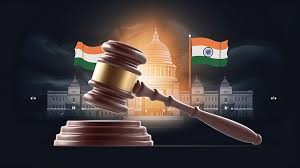
The Supremacy of India’s Constitution:
Why It Matters to All of Us
At its core, the Indian democratic system rests on one fundamental truth: the Constitution is the supreme authority. It isn’t just a thick book of rules; it is the highest law of the land, ensuring that every government body and every individual operates within a fair framework. From the highest halls of Parliament to the daily life of a regular citizen, everyone is bound by it. This principle is exactly what keeps our nation stable, just, and equal.
Since its adoption on January 26, 1950, this document has been the North Star for India’s legal and social progress. When we understand that the Constitution is supreme, we start to see the real power we hold as citizens—recognizing our rights, our duties, and the necessary boundaries placed on government power.
What Does “Constitutional Supremacy” Actually Mean?
Simply put, it means the Constitution sits at the very top of the hierarchy. No law made by the Parliament or any State Legislature can ever overrule it. If a new law contradicts what the Constitution stands for, our courts have the power to step in and scrap it.
Unlike the UK, where Parliament holds the ultimate power, India chose a path where the Constitution is king. This setup is our primary shield against the misuse of authority, ensuring that governance stays fair and follows the “rule of law” rather than the whims of those in power.
Why This Hierarchy Is Essential
The supremacy of the Constitution isn’t just a legal technicality; it’s what keeps the country in harmony. It serves several vital purposes:
Protecting our basic rights from being taken away.
Preventing leaders from making impulsive, arbitrary decisions.
Keeping the country united and its integrity intact.
Strengthening our democracy so it doesn’t just exist on paper.
Without this hierarchy, our democratic values would crumble, and our personal freedoms would be left completely unprotected.
How the Constitution Stays Supreme: The Key Features
This supremacy isn’t just a theory; it’s built into the very design of our government through several safeguards.
1. A Written and Stable Foundation India has a written Constitution that leaves very little to the imagination. By clearly defining powers and limits, it avoids the confusion found in unwritten systems. Plus, because it’s “rigid”—meaning core parts are hard to change—it protects our nation’s soul from being altered too easily by whoever happens to be in power.
2. The Power of Fundamental Rights These rights are the heartbeat of our system. They protect us from unfair state action—covering everything from equality and freedom to religious liberty. If an authority crosses the line, we can go straight to court. This gives “regular people” a direct way to hold the government accountable.
3. Judicial Review: The Great Check This is perhaps the strongest pillar of constitutional supremacy. It allows the Supreme Court and High Courts to “audit” government actions. If a law is found to be unconstitutional, the courts strike it down. This ensures that no person or office is ever truly “above the law.”
+1
4. A Balanced Federal Setup Power in India isn’t concentrated in one place; it’s split between the Center and the States via specific lists (Union, State, and Concurrent). This division is hardcoded into the Constitution, preventing any single level of government from becoming too dominant.
+1
5. Separation of Powers The Constitution creates a “checks and balances” system between the Legislature (who make laws), the Executive (who run the country), and the Judiciary (who interpret laws). By keeping these roles separate, it prevents any one branch from turning into an autocracy.
6. An Independent Judiciary For the Constitution to be supreme, the people interpreting it must be free from political bullying. Our judges are meant to decide cases based on law, not politics. The Supreme Court acts as the final guardian, often stepping in through landmark cases to save our constitutional values.
7. Constitutional Remedies (Article 32) Dr. B.R. Ambedkar famously called this article the “heart and soul” of the entire document. It gives you the right to go to the Supreme Court if your rights are violated. It’s what makes our rights “real” rather than just words on a page.
8. Staying Strong During Emergencies Even when things get chaotic and an emergency is declared, the Constitution doesn’t vanish. While some rights might be paused, the government still has to answer to constitutional limits, and the courts still watch for any overreach of power.
India vs. The World: Constitution vs. Parliament
It’s important to note that in India, Parliament isn’t “all-powerful.” It gets its very existence and its powers from the Constitution. This is a big contrast to the UK model. In our country:
The Constitution is the ultimate boss.
Parliament only has the power the Constitution gives it.
Courts can (and do) say “no” to Parliament if it oversteps.
Our Role as Citizens
The Constitution only stays supreme if we, the people, care about it. By staying informed, questioning unconstitutional moves, and participating in our democracy, we keep these values alive. An alert society is the best defense a Constitution has.
Final Thoughts
Ultimately, the supremacy of the Indian Constitution is what allows our democracy to breathe. It’s the guardian of justice and equality, ensuring that power remains balanced and that the “little guy” is protected. By giving us rights and limiting the government’s reach, it does more than just govern—it empowers us. When we respect and uphold these values, we aren’t just following rules; we are making our nation stronger and more united for the future.